9 hr
Colonia del Sacramento Day Trip from Montevideo with Guide
- Expert local guide
- Small group
- Skip-the-line access
- Free cancellation
Montevideo to Colonia del Sacramento — Ferries, Buses & Day Tours
Cross the Río de la Plata, step into three centuries of cobblestone history
Compare fares, pick the fit — all bookings are mobile-voucher and eligible for free cancellation where shown.
9 hr
5 hr
10 hr
| Experience | From | Duration | Rating | Pickup | Skip-the-line | Free cancel. | Price | |
|---|---|---|---|---|---|---|---|---|
|
Guided Experience
Most popular
Colonia del Sacramento Day Trip from Montevideo with Guide
|
Montevideo | 9 hr | ★ 4.4 | ✓ | ✓ | ✓ | €52 | Book → |
|
Standard Entry
Buenos Aires to Montevideo Ferry & Bus Transfer
|
— | 5 hr | ★ 4.7 | — | — | ✓ | €73 | Book → |
|
Guided Experience
Historic Colonia del Sacramento Day Trip from Montevideo
|
Montevideo | 10 hr | ★ 4.4 | ✓ | ✓ | ✓ | €71 | Book → |
Colonia del Sacramento offers a reflective journey into colonial history, whereas Punta del Este provides a high-energy seaside resort environment. They complement each other; most visitors who do both call the journey from Montevideo to Colonia del Sacramento more serene.
|
Top pick Colonia del Sacramento |
Punta del Este | |
|---|---|---|
| Atmosphere | Historic and tranquil | |
| Travel Time from Montevideo | 2.5–3 hours | |
| Primary Activities | Exploring cobblestone streets and museums | |
| Ideal Traveler Type | History buffs and couples | |
| Walkability | High in the old city quarter | |
| Public Transit | Reliable bus access via Tres Cruces | |
| See tickets & prices |
Verdict: Choose the Montevideo to Colonia del Sacramento tour for a deep dive into UNESCO heritage sites, or select Punta del Este if you prioritize coastal lifestyle and modern upscale amenities.
Hand-picked experiences loved by thousands of travelers
10 hours
Free Cancellation
Journey through Uruguay's countryside to explore the UNESCO-listed colonial town with guide
10 hours
Free Cancellation
Cross the Rio de la Plata for a full-day adventure in Uruguay's colonial gem with multiple exploration styles
7 days
Free Cancellation
Cross the Rio de la Plata from Buenos Aires to Uruguay's charming UNESCO-listed colonial town
3 days
Free Cancellation
Explore Uruguay's top destinations across three unforgettable days of guided sightseeing and culture
3 hours
Free Cancellation
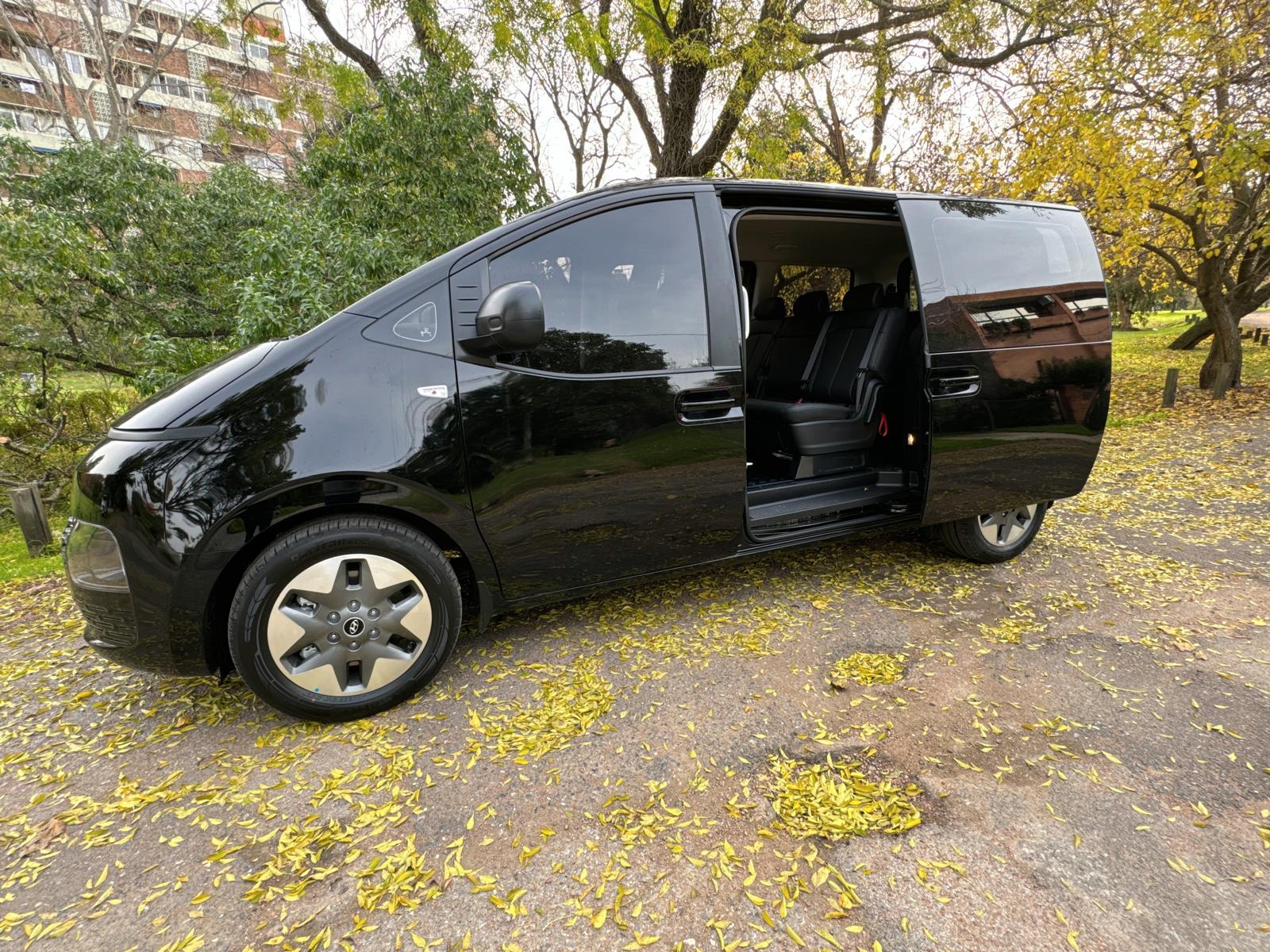
Dedicated vehicle service connecting Uruguay's capital with the historic colonial town along the coast
9 hours
Free Cancellation
Full-day guided expedition along Uruguay's stunning coastline to the glamorous beach resort
3.5 hours
Free Cancellation
Discover Uruguay's capital on a 3.5-hour journey through historic plazas, vibrant markets, and coastal landmarks
3.5 hours
Free Cancellation
Half-day exploration of Uruguay's capital, from colonial quarters to beachfront promenades
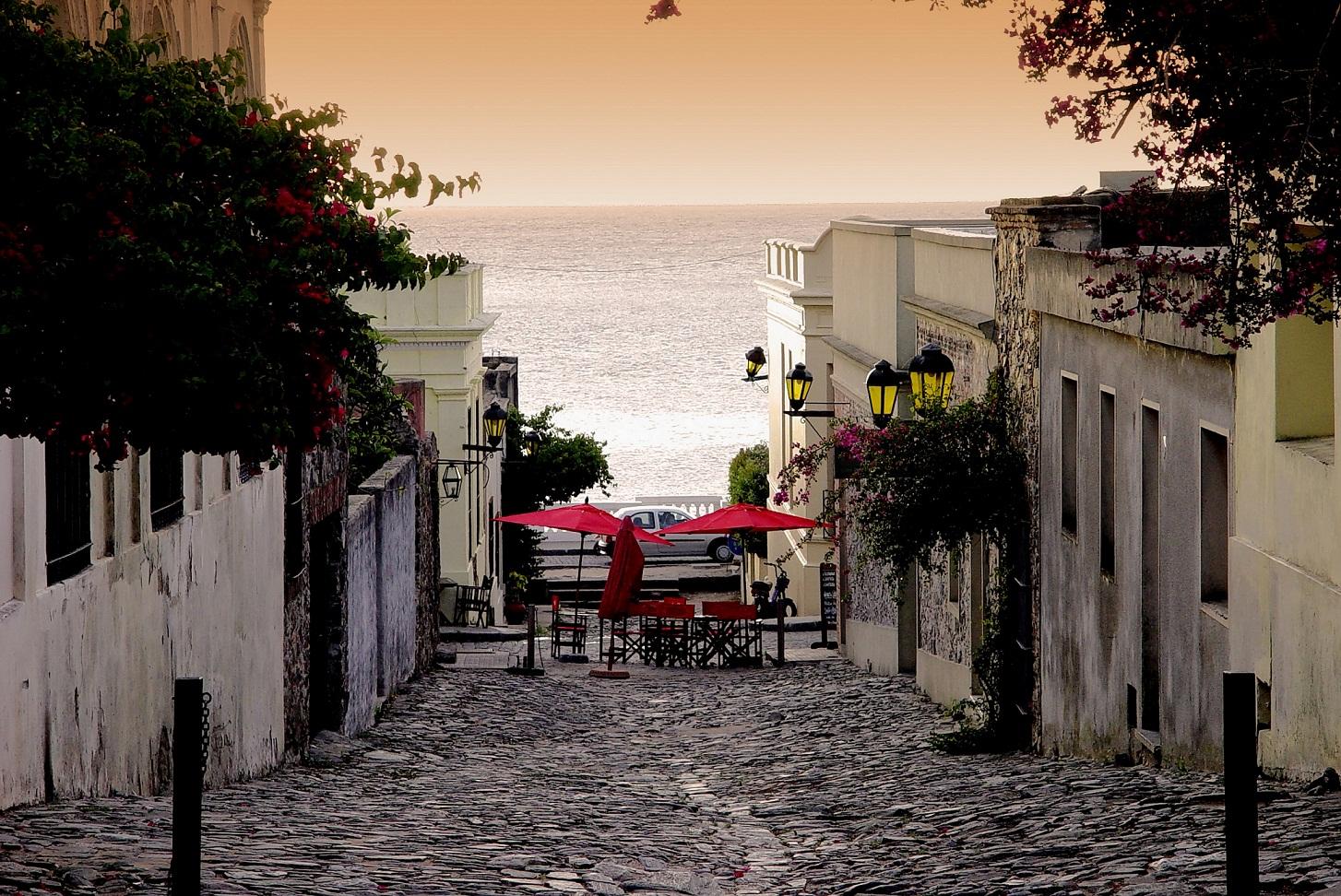
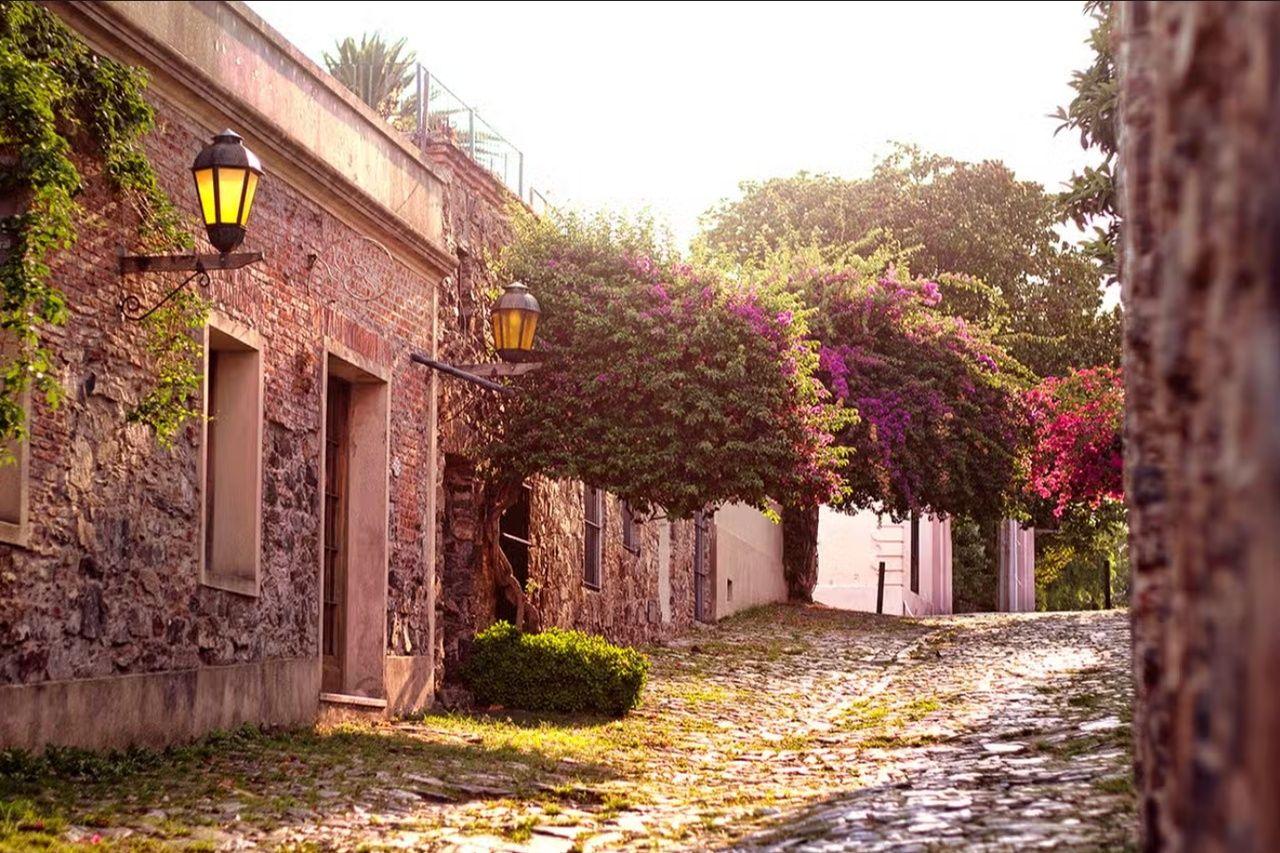
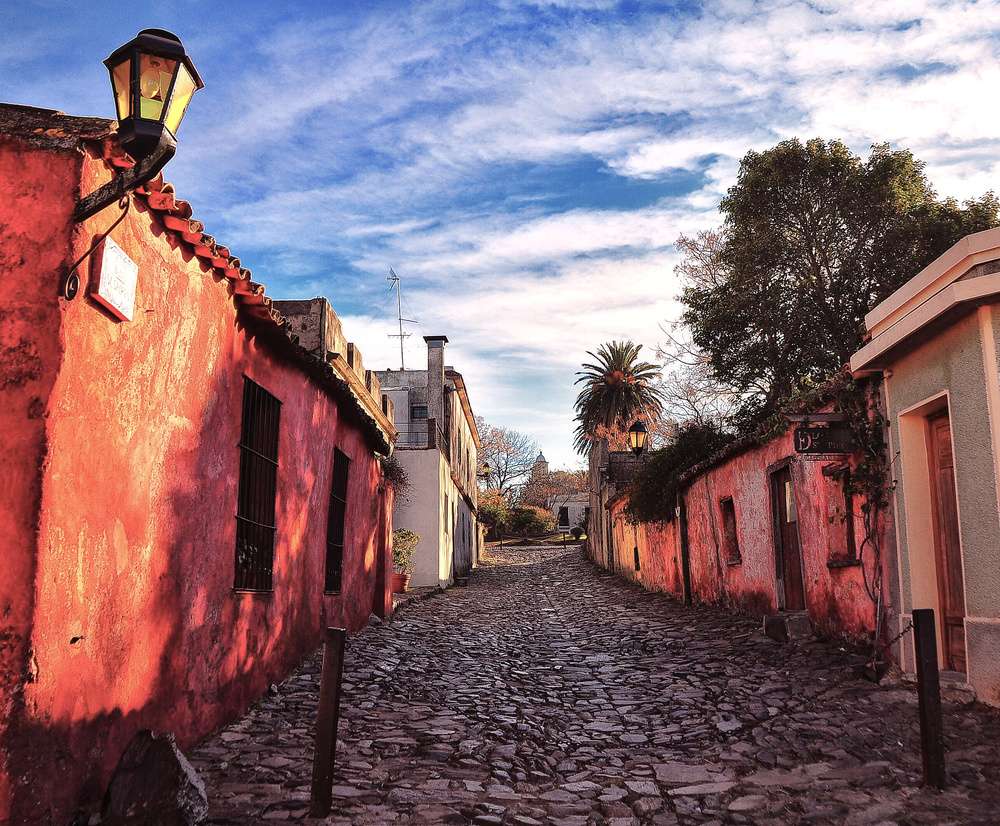
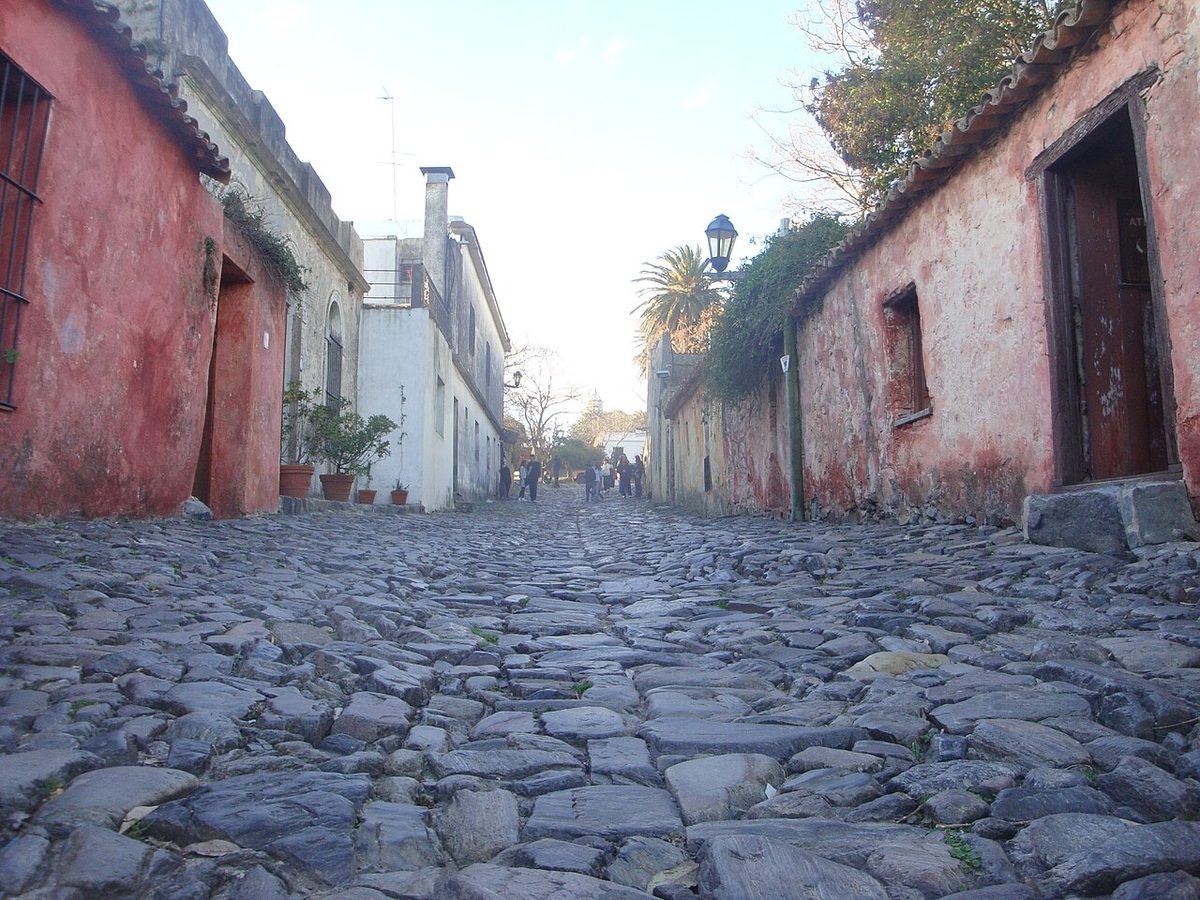
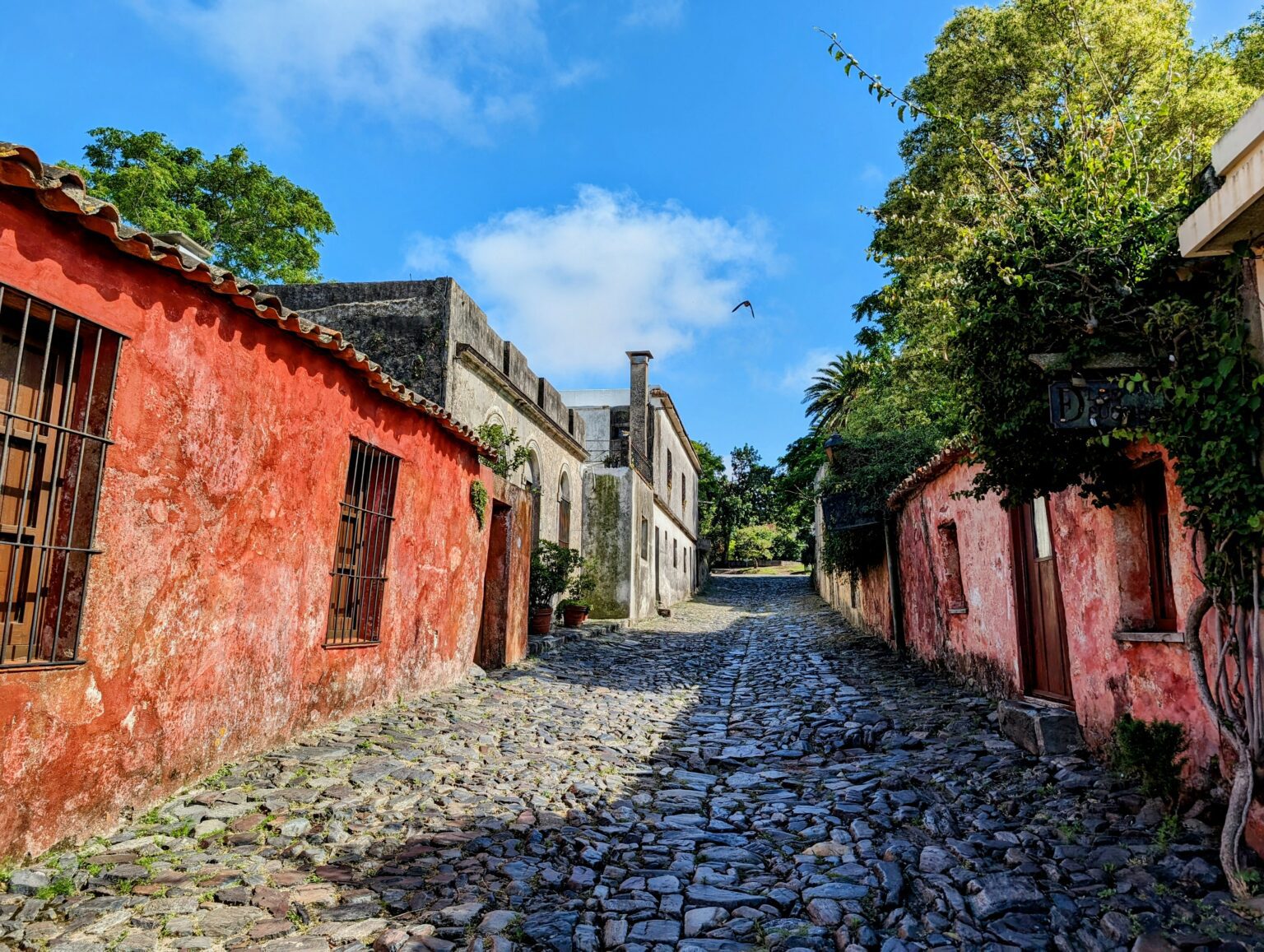
This famous cobblestone lane is one of the most photographed sites in the historic quarter, featuring 18th-century architecture. Legend claims the name originates from the sighs of various historical figures.
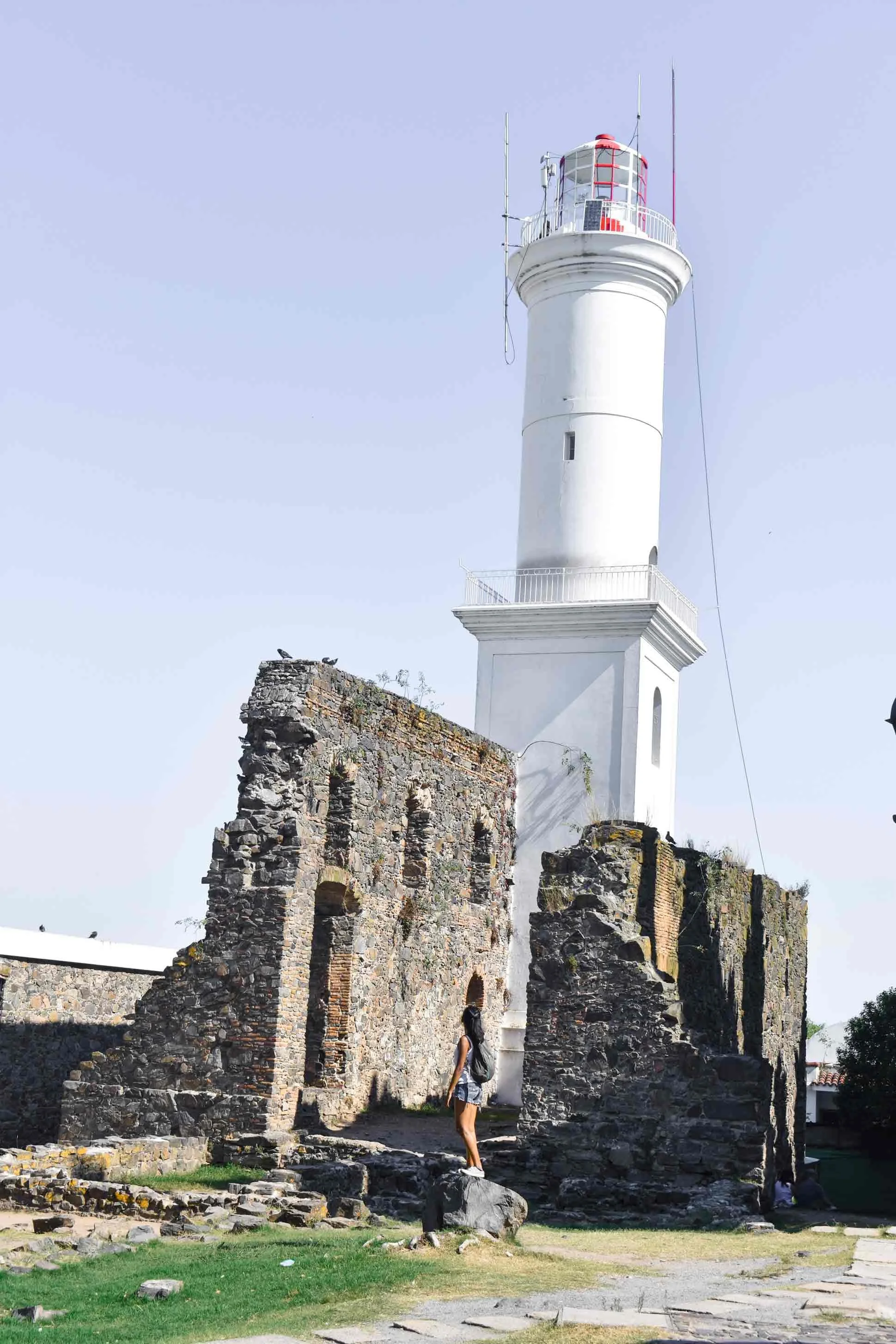
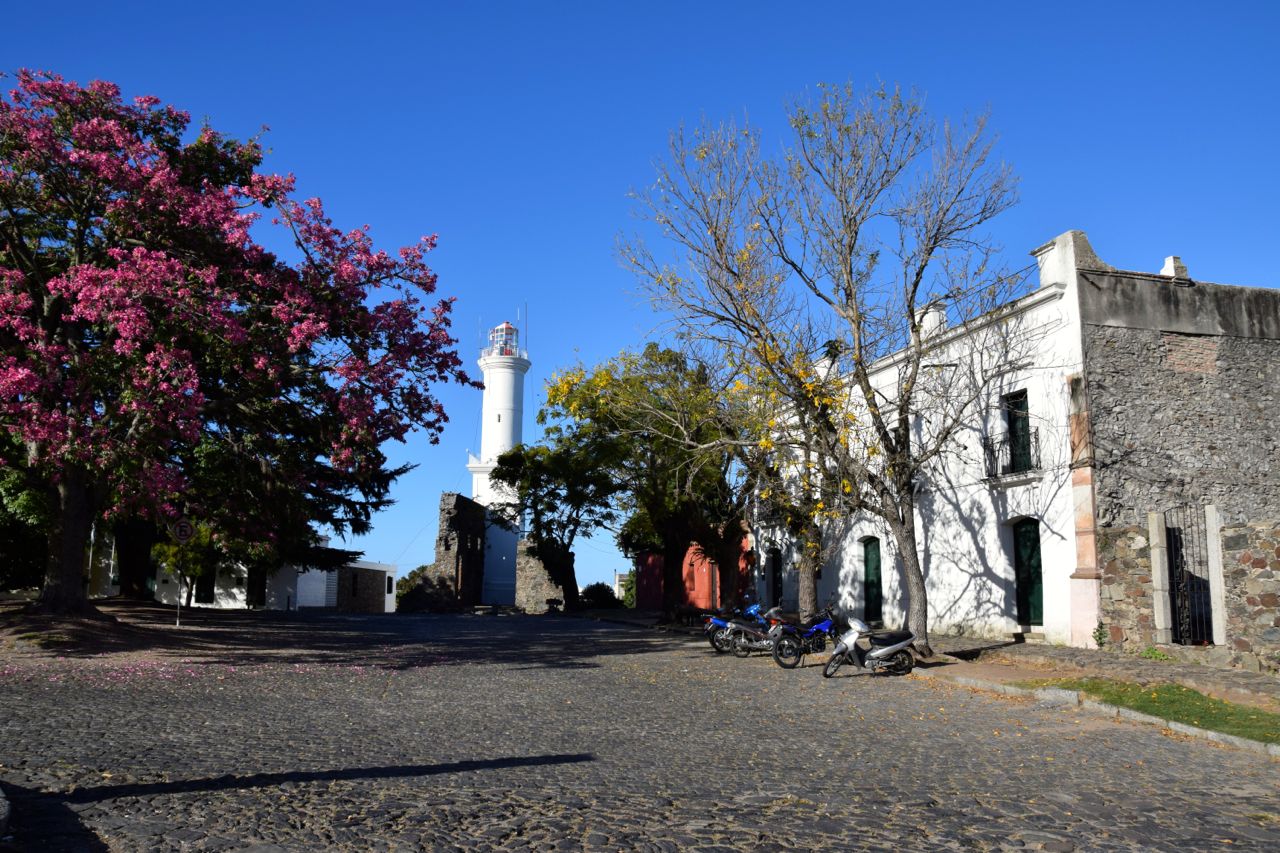
Built in 1857, the structure stands partially atop the ruins of the San Francisco Convent. It provides a unique viewpoint over the estuary with a height of roughly 26 meters.
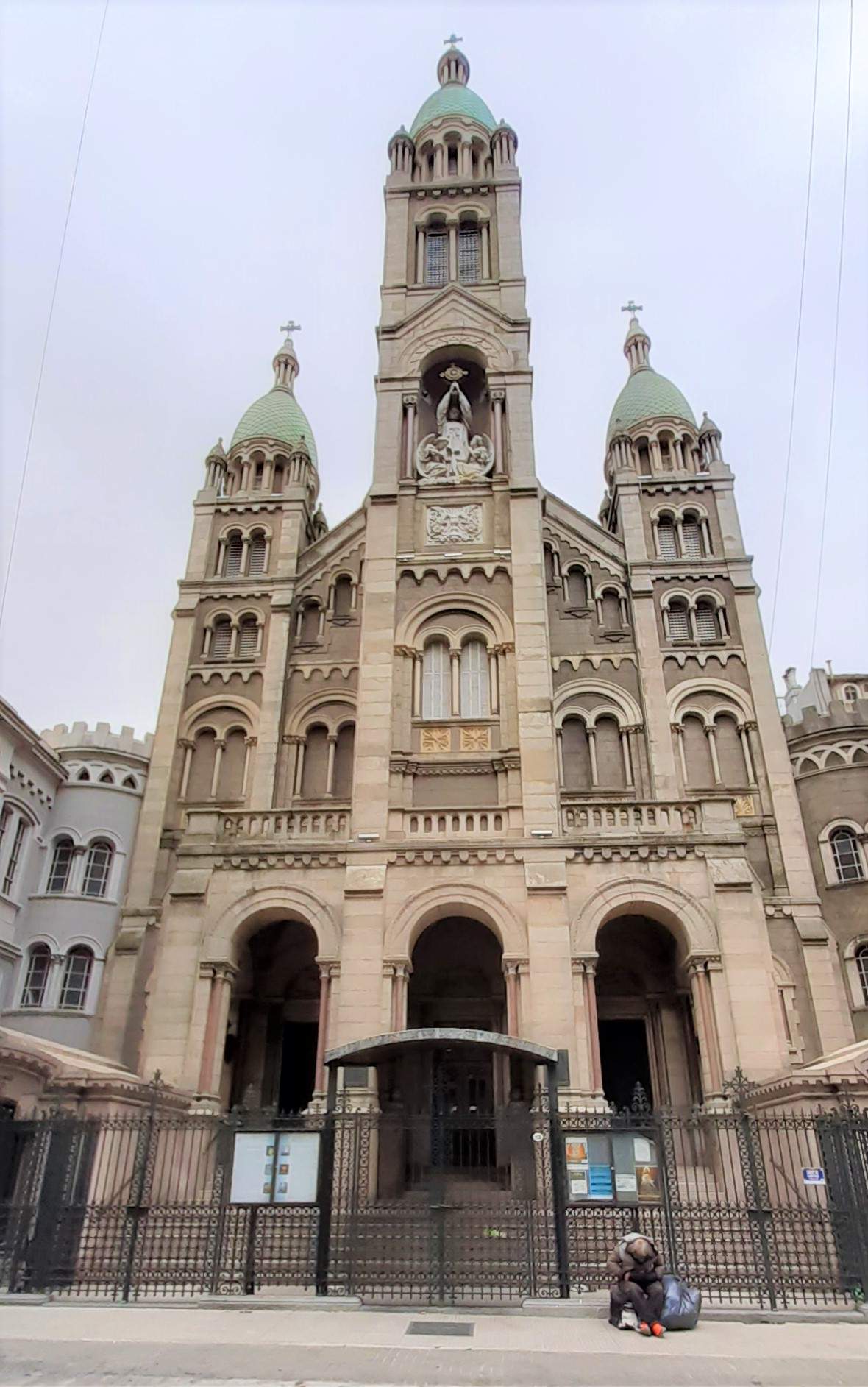
Recognized as the oldest church in Uruguay, it was originally built by the Portuguese in 1680. Its stone construction has survived multiple conflicts and reconstructions over centuries.
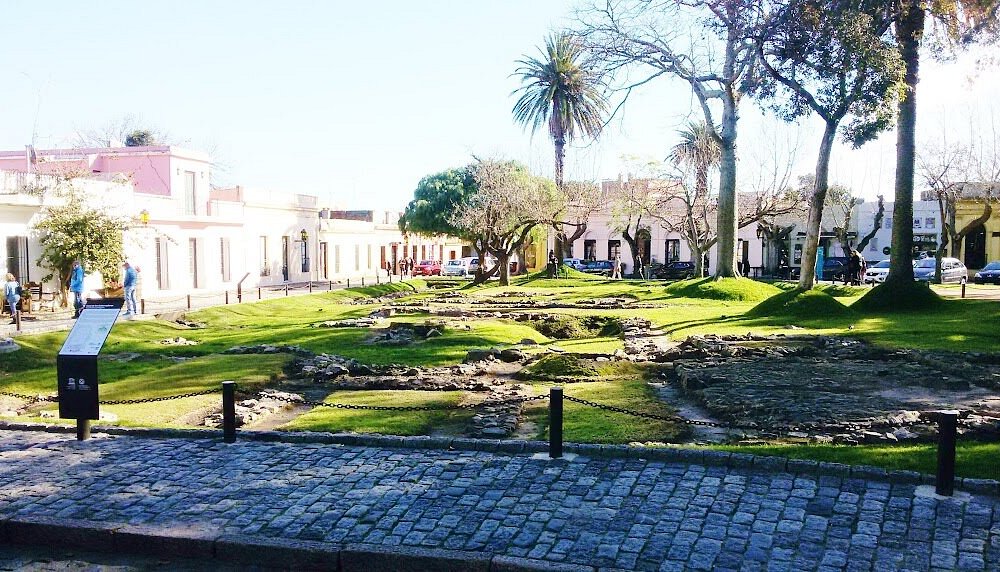
The historical core of the settlement, this square has served as the city center since the colonial era. It remains a central meeting point for exploring the surrounding UNESCO heritage area.
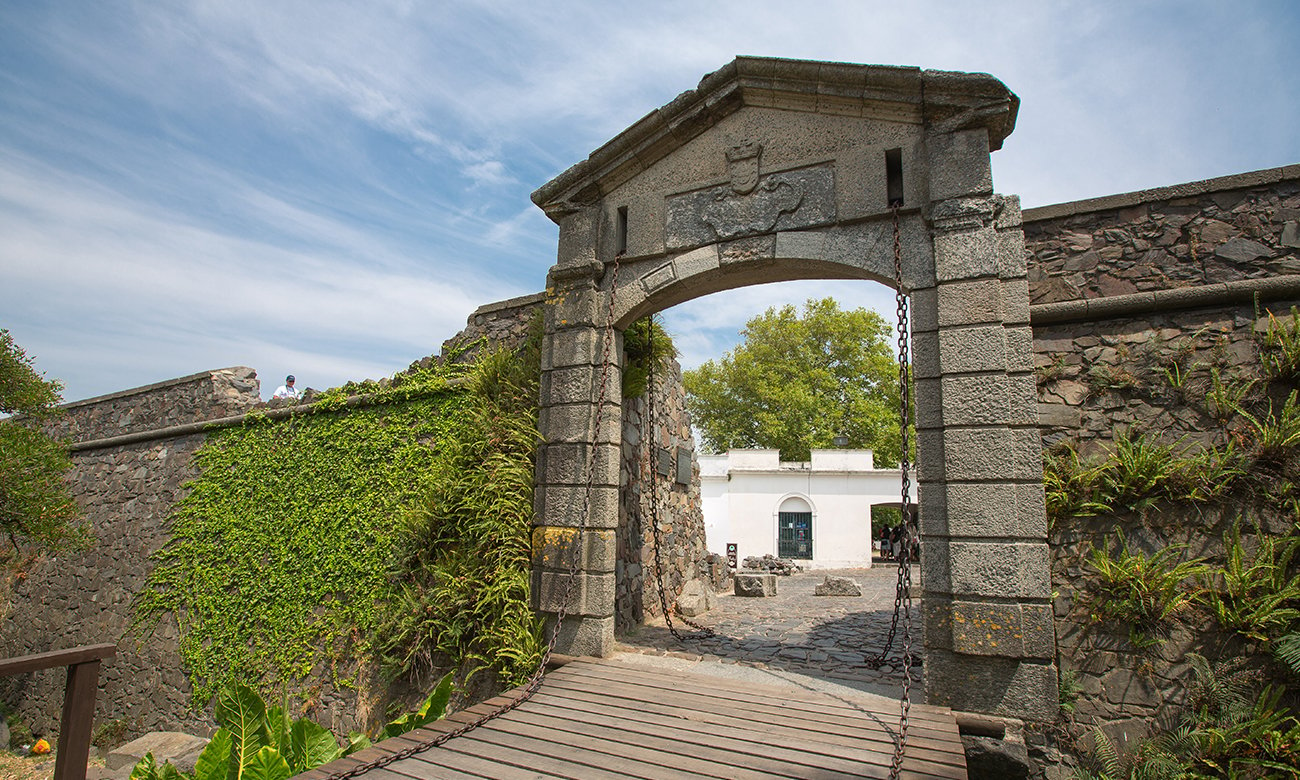
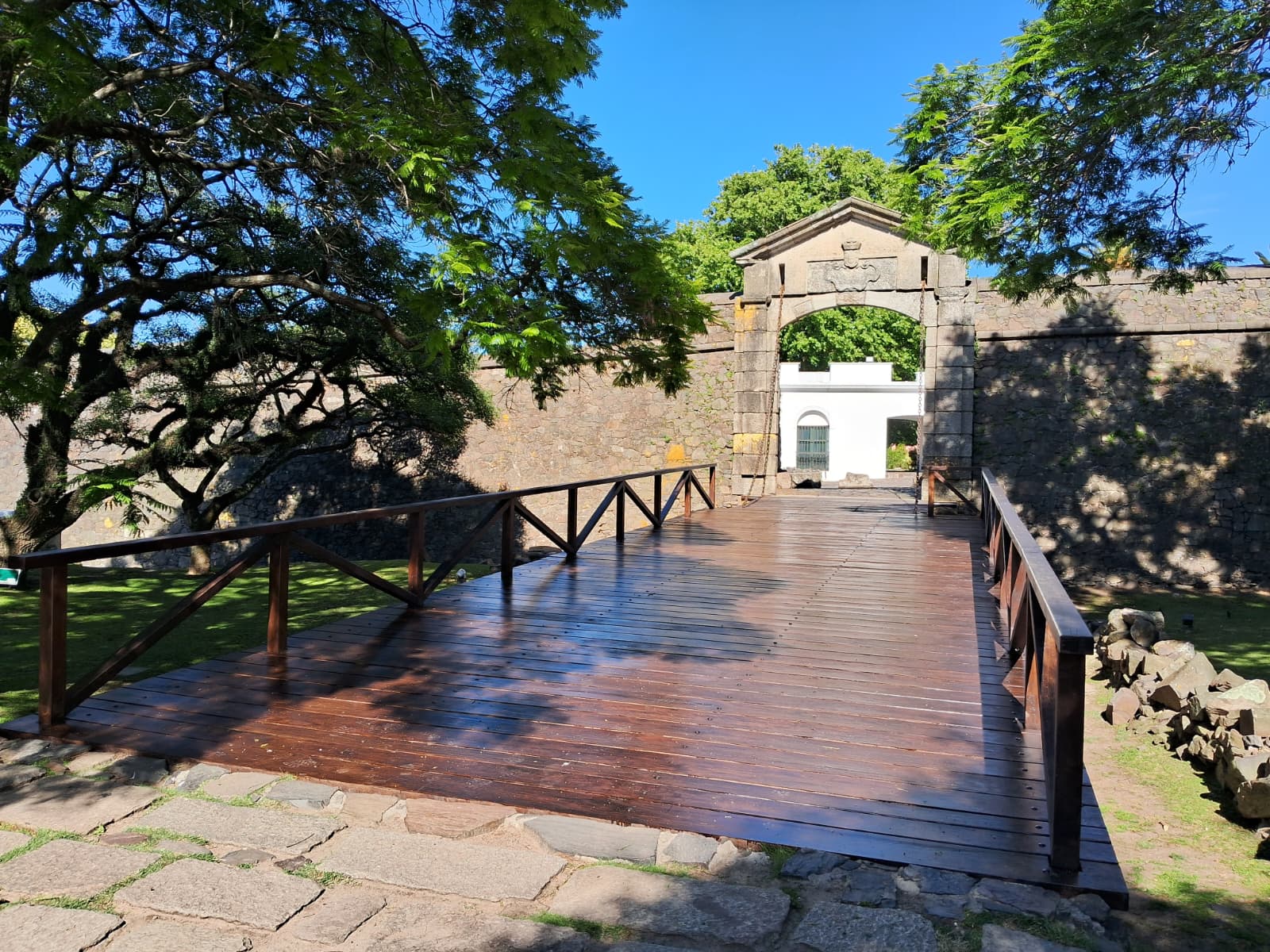
The original wooden drawbridge and stone gate were once part of the city's fortification system. It marks the entrance to the Barrio Historico.
You board the fast ferry at Montevideo's Buquebus terminal in the port district, passing through immigration before the 09:00 departure. The hydrofoil lifts onto its foils eight minutes out, and the Río de la Plata blurs beneath you at 60 knots.
You dock at Colonia's ferry terminal sixty-five minutes later, walking two blocks north along Avenida General Flores to reach the Portón de Campo.
You enter the Barrio Histórico through the reconstructed stone archway, stepping onto the Calle de los Suspiros where morning light catches the limestone facades at an angle that flattens three centuries into a single sightline. You climb the Faro lighthouse's 110 iron steps for a 360-degree view of terracotta rooftops, the river's silver plane, and the grid of streets narrower than a bus width. You descend and walk to the Plaza Mayor, pausing at the jacaranda shade before entering the Museo Portugués to see the azulejo tile maps that charted this coastline in 1715.
You take lunch along Calle de la Playa, where converted warehouses now serve chivito and tannat, then walk the riverfront bastions as the afternoon ferry horns echo across the port. You return to the terminal by 17:30 for the evening crossing, the skyline of Colonia shrinking behind the wake as Montevideo's Cerro fortress reappears on the eastern horizon.
All the details about your upcoming adventure in one place
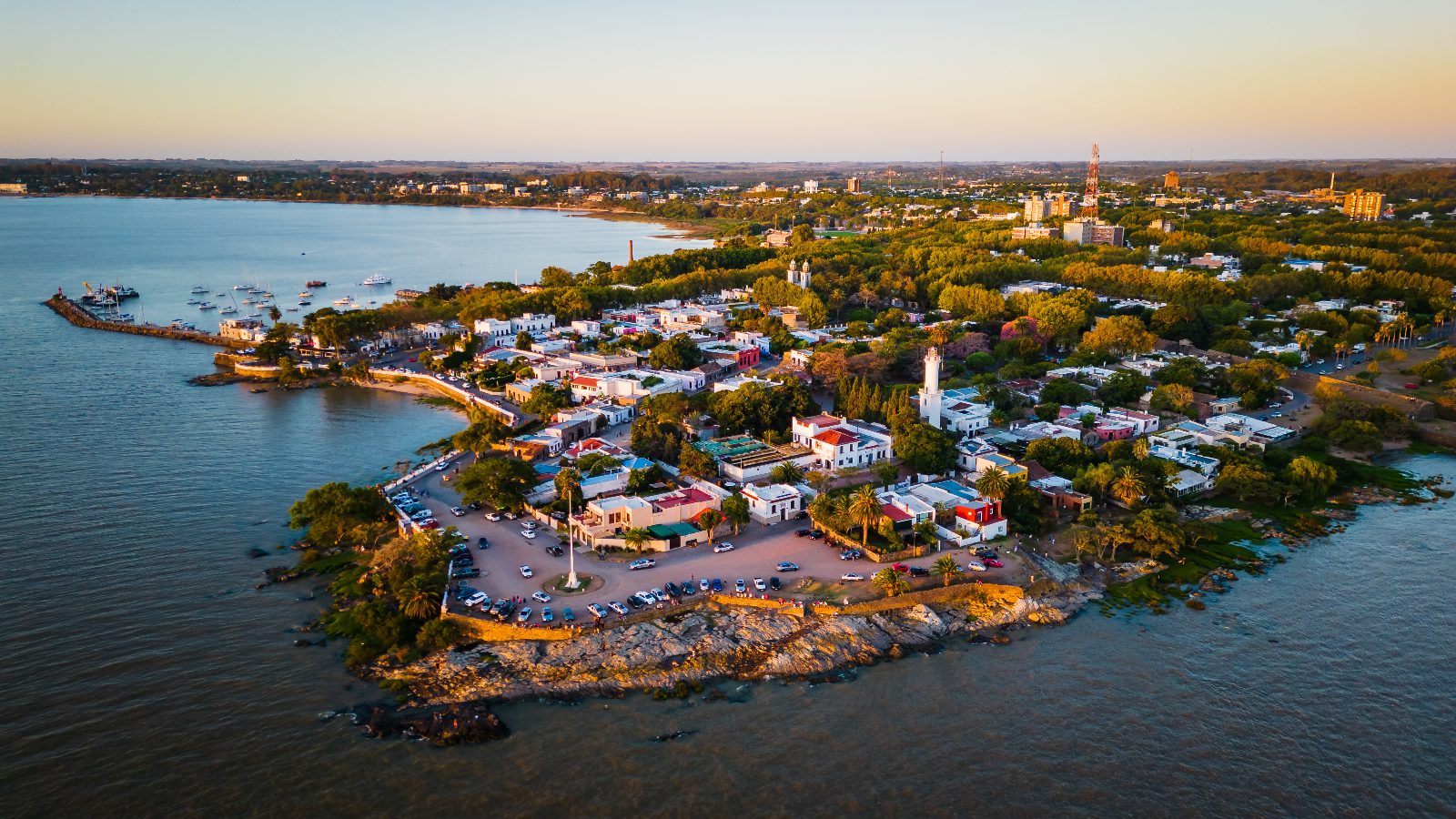
Cross the Río de la Plata from Uruguay's capital to explore one of South America's best-preserved colonial settlements. Montevideo to Colonia del Sacramento tours typically combine ferry transport with guided walking through cobblestone streets, Portuguese-era fortifications, and waterfront promenades. The UNESCO World Heritage historic quarter features the iconic lighthouse, Plaza Mayor, and remnants of 17th-century defensive walls, making this riverside town a compact showcase of Iberian colonial architecture just 50 kilometers from Buenos Aires.
The 50-kilometre crossing between Montevideo and Colonia del Sacramento compresses four centuries of colonial rivalry into a single morning's journey across the Río de la Plata.
Founded by the Portuguese in 1680 as a smuggling fortress directly opposite Buenos Aires, Colonia became the most contested square kilometre in South America, changing hands nine times before Uruguay's independence. Today its Barrio Histórico — inscribed as a UNESCO World Heritage Site in 1995 — preserves the oldest street grid in Uruguay, a palimpsest of Portuguese cobblestones, Spanish plazas, and riverside fortifications built to withstand siege.
The Montevideo to Colonia del Sacramento route is Uruguay's most travelled intercity corridor. Three ferry operators — Buquebus, Colonia Express, and Seacat — run hydrofoils and catamarans hourly during peak months, completing the crossing in sixty to seventy minutes. Overland travellers depart from Terminal Tres Cruces via COT and Turil coaches; the 177-kilometre bus journey hugs Route 1 west through ranch country and takes two and a half to three hours. Both options deposit visitors within two blocks of Colonia's colonial quarter, where the Portón de Campo — the reconstructed 1745 drawbridge gate — marks the threshold into a town that has barely widened its streets since the Treaty of Madrid.
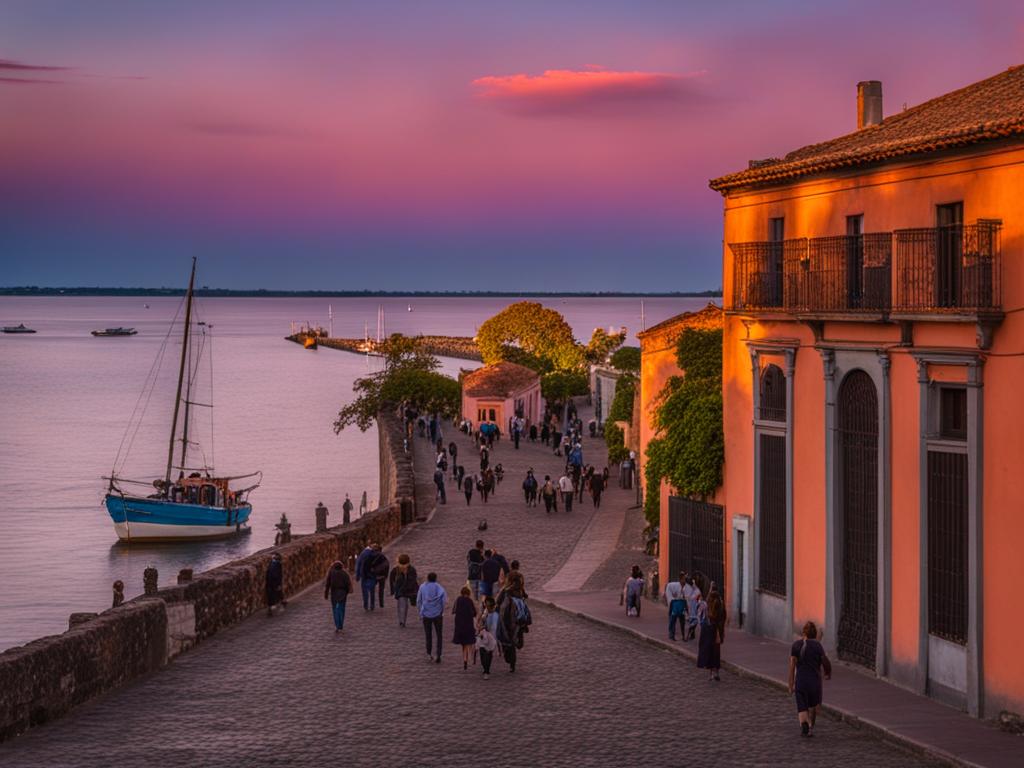
Colonia's significance lies in its architectural compression. Within 12 hectares you walk from Portuguese single-storey limestone casas to Spanish baroque facades to the 1857 Faro lighthouse, Uruguay's oldest, built atop the ruins of the San Francisco convent torched during the 1823 Brazilian siege. The Calle de los Suspiros — Street of Sighs — retains its original Portuguese paving, irregular blocks of granite ballast offloaded from 18th-century trading ships. The riverfront bastions, reinforced by Spanish military engineer Domingo Petrarca in 1777, now frame sunset views across the widest river estuary in the world; the Río de la Plata here measures 42 kilometres bank to bank, wide enough that you cannot see Buenos Aires on clear days despite its proximity.
The Colonia del Sacramento tour from Montevideo remains the most accessible immersion into Uruguay's colonial entanglement. Most travellers arrive mid-morning via the Buquebus fast ferry, walk the Barrio Histórico's nine principal blocks, and return on the 17:00 or 18:30 departure. The Colonia del Sacramento montevideo bus serves independent schedules; evening departures allow time to watch the light soften over the Plaza Mayor's jacaranda trees, planted during the 1960s restoration that saved the quarter from demolition.

Colonia became the most contested square kilometre in South America, changing hands nine times before Uruguay's independence.
Casual clothing suitable for travel is recommended. No formal requirements exist for public transport journeys.
Passengers are responsible for their luggage throughout the trip. Security checks may occur at the main terminal in Montevideo before boarding.
Photography is permitted on the bus and throughout the terminal. Be mindful of privacy when taking photos of other passengers.
Children are welcome on all services. Infants usually travel on a parent's lap, while older children require their own seat for this intercity journey.
Modern buses operating the montevideo to colonia del sacramento route are generally wheelchair accessible. It is recommended to contact the specific carrier in advance to ensure lift availability.
Small snacks and water are permitted on board. Consumption of hot or aromatic meals that may disturb other passengers is discouraged.
Opening Hours
00:00–23:59
Address
Terminal Tres Cruces, Bulevar Artigas 1825, 11800 Montevideo, Uruguay
Transit Info
Public intercity route
Arrival Window
08:00–18:00
Phone
+598 2401 8990
Official Website
https://www.trescruces.com.uy
Public transport · 150 min · Varies by operator
Buses depart regularly from Terminal Tres Cruces to Colonia del Sacramento.
Ticket changes or cancellations depend on the specific bus operator policies purchased at the station. Refunds are typically processed per the carrier's terms provided at the time of booking.
Recommended time
Half a day
A bus transit from montevideo to colonia del sacramento typically takes about 2.5 hours, making a half-day visit perfect for exploring the Barrio Histórico. To avoid peak congestion in the narrow cobblestone lanes, we suggest prioritizing your montevideo to colonia del sacramento tour during the quieter morning hours. Booking montevideo to colonia del sacramento tickets in advance for your chosen departure ensures a seamless connection at Terminal Tres Cruces, Bulevar Artigas 1825, 11800 Montevideo, Uruguay.
Crowd levels through the day
Weather · crowds · average price — dots go green to amber to red as each metric rises.
Mild temperatures make the montevideo to colonia del sacramento transit very comfortable for sightseeing.
Expect high temperatures and higher passenger volumes during peak holiday travel periods.
This season offers cooling weather, ideal for walking the historic streets after your journey.
Crowds are significantly thinner, though coastal breezes require warmer layers for outdoor exploration.
Booking your montevideo to colonia del sacramento tickets online saves time at the terminal.
Review departure times for montevideo to colonia del sacramento tours to plan your day efficiently.
Managing luggage is easier when traveling on the montevideo to colonia del sacramento route with minimal gear.
Keep your identification handy as it is required for boarding all intercity services.
The historic district in your destination features uneven stone streets best navigated on foot.
Bulevar Artigas 1825, 11800 Montevideo
Main terminal entrance hall
Get directionsColonia del Sacramento was founded in 1680 by Portuguese governor Manuel Lobo, who crossed the Río de la Plata from Brazil to establish a fortified settlement directly opposite Buenos Aires. Spain viewed the colony as a territorial provocation. Within months, Spanish forces from Buenos Aires laid siege, captured the town, and demolished its defenses. The Treaty of Lisbon returned Colonia to Portugal in 1681, initiating a century of alternating occupations. The montevideo to colonia del sacramento corridor became a smuggling artery that undermined Spain's rigid mercantile monopoly, funneling British textiles and African slaves into the vice-royalty while Spanish silver flowed east. Montevideo's founding in 1724 was Spain's direct countermeasure, a fortified port designed to choke Colonia's contraband economy and anchor Spanish naval power on the estuary. The two cities became locked in a strategic rivalry. Colonia changed hands seven times between 1680 and 1777, each siege leaving scars in its bastions and cobbled streets. The Treaty of San Ildefonso in 1777 awarded Colonia permanently to Spain, ending Portuguese ambitions on the Plata. Uruguay's independence in 1830 transformed the route into a domestic link between the new republic's historic quarter and its capital. Today, ferries and buses retrace the colonial supply line that once moved contraband, soldiers, and diplomacy across the estuary. Colonia's Portuguese street grid, baroque lighthouse, and riverside bastions survive as UNESCO World Heritage fabric. The montevideo to colonia del sacramento tours now carry visitors rather than smugglers, but the journey still bridges two founding moments of Uruguayan identity: the Spanish garrison that became Montevideo and the Portuguese enclave that became Colonia.
Portuguese governor Manuel Lobo founds Colonia del Sacramento as a fortified settlement opposite Buenos Aires.
Treaty of Lisbon returns Colonia to Portugal after Spain's initial siege and capture.
Spain founds Montevideo as a naval countermeasure to block Colonia's smuggling economy.
Treaty of San Ildefonso awards Colonia permanently to Spain, ending a century of alternating occupations.
Uruguay's independence transforms the route into a domestic corridor linking capital and historic quarter.
Colonia's colonial quarter inscribed as UNESCO World Heritage, preserving Portuguese bastions and street grid.
The culinary scene in the historic quarter provides a charming atmosphere for travelers who have completed their montevideo to colonia del sacramento bus journey. Most dining spots are concentrated along the cobblestone lanes of the Barrio Histórico, offering everything from traditional Uruguayan chivitos to upscale riverside bistros.
A modest, no-frills spot near the bus terminal favored by locals for authentic chivitos
A popular Old Town destination featuring an open kitchen and a diverse menu of pizzas, pastas, and meats
A quirky, vibrant establishment near the main plaza known for its colourful decor, open kitchen, and classic Uruguayan atmosphere
Located in an 1867 casona, this historic spot serves authentic rioplatense dishes and is a staple for those on organized montevideo to colonia del sacramento tours
An elegant venue set within a boutique hotel, offering creative seasonal dishes and spectacular terrace views of the Río de la Plata for those securing montevideo to colonia del sacramento tickets in advance.
Real experiences from real travelers
Took the early ferry from Montevideo to Colonia del Sacramento and spent six hours wandering the Barrio Histórico. The cobblestone streets and Portuguese colonial architecture feel frozen in time. Lighthouse views at sunset were exceptional.
The ferry crossing from Montevideo to Colonia del Sacramento takes just over an hour. Once there the compact historic center is walkable in an afternoon. We rented bikes and rode along the waterfront promenade.
Colonia del Sacramento tours from the capital are excellent value. The town itself rewards slow exploration—we found excellent wine bars tucked into 17th-century buildings and a quiet riverside park perfect for picnics.
The buquebus ferry service makes the Montevideo to Colonia del Sacramento route very convenient. Town layout is simple—main plaza, lighthouse, museum quarter. Good cafes along Calle de los Suspiros.
Crossed over on a weekend and the atmosphere in Colonia del Sacramento is completely different from Montevideo. Quieter, older, more European. The Basilica del Santísimo Sacramento and Portuguese Museum are worth the entry fee.
Spent a full day after the Montevideo ferry arrival. The blend of Spanish and Portuguese influences in the buildings is unique. Walked the entire perimeter of the old town along the waterfront path.
The ferry tickets for the Montevideo to Colonia del Sacramento crossing are easy to book online. Town itself is small but beautifully preserved—cobbled lanes, vintage cars, riverside cafes. We stayed overnight to catch the evening light.
Colonia del Sacramento exceeded expectations. The historic district feels authentic rather than overly touristed. Local wine is surprisingly good and several tasting rooms operate in old colonial houses.
The river crossing from Montevideo takes about seventy minutes. Colonia itself is compact—lighthouse, museums, plaza, and waterfront all within walking distance. Ideal for travelers who enjoy slower-paced heritage sites.
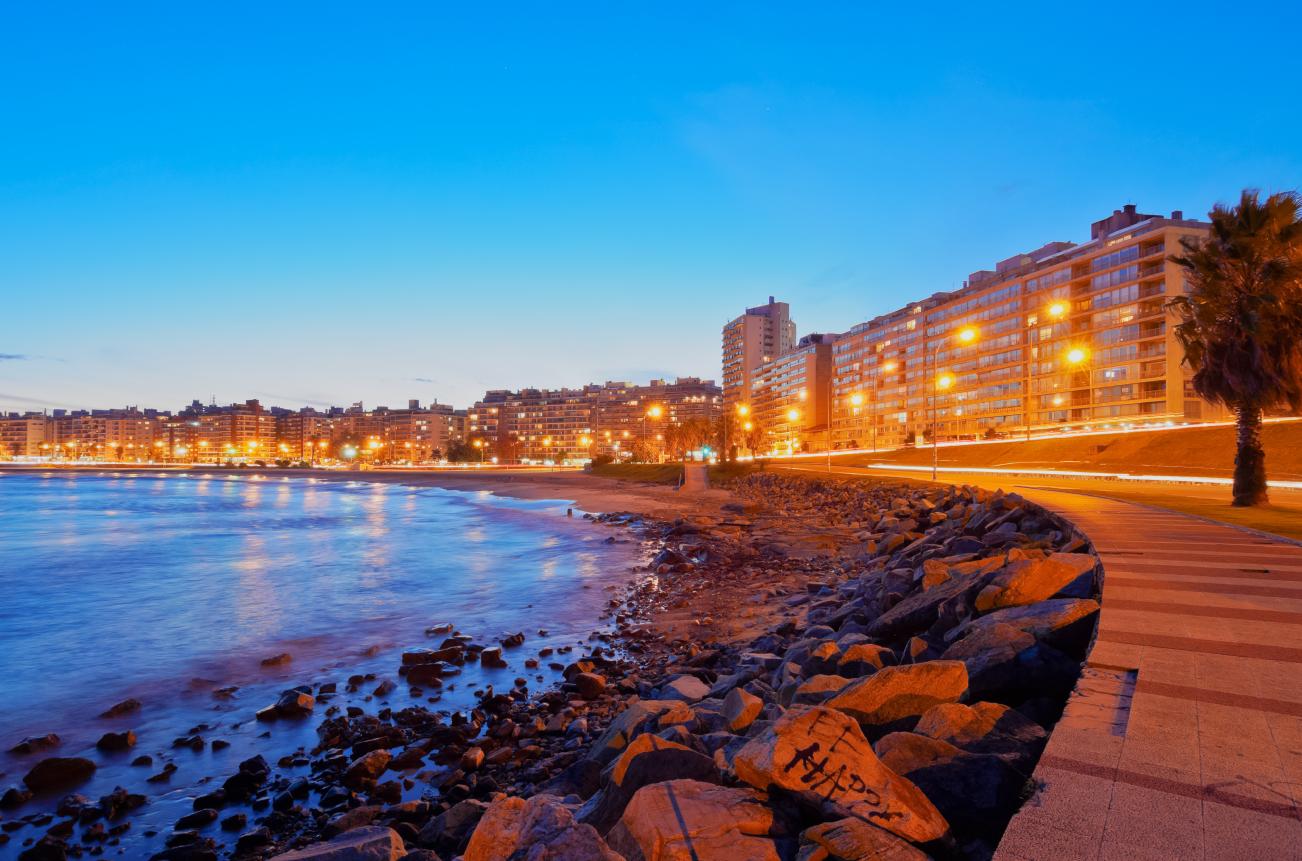
Took the fast ferry on the Montevideo to Colonia del Sacramento route and had seven hours to explore. The Barrio Histórico is postcard-perfect and the Rambla de las Américas offers great Rio de la Plata views.
Everything you need to know for your journey
The transit route operates daily from 00:00–23:59, ensuring consistent service for those traveling between cities.
Most buses on this route provide accessibility for passengers, though you should verify specifics with your selected carrier.
The transit service itself is a public route with 0 UYU entry fee, though bus tickets are required for passage.
Buses depart from Terminal Tres Cruces, Bulevar Artigas 1825, 11800 Montevideo, Uruguay.
For the best experience, aim for an arrival window of 08:00–18:00 to maximize daylight for your sightseeing.
Yes, you may bring standard luggage, though policies vary by bus operator regarding size and weight limits.
Photography is permitted throughout the terminal and during your journey to Colonia del Sacramento.
Yes, you can easily walk to landmarks like the Calle de los Suspiros and the local Lighthouse.
Small snacks and water are generally permitted on board for your comfort during the trip.
A historic cobblestone street famous for its preserved architecture.
Character-filled properties located within the UNESCO heritage site.
Join thousands of happy travelers who have discovered this incredible experience
Book Your Experience Now