

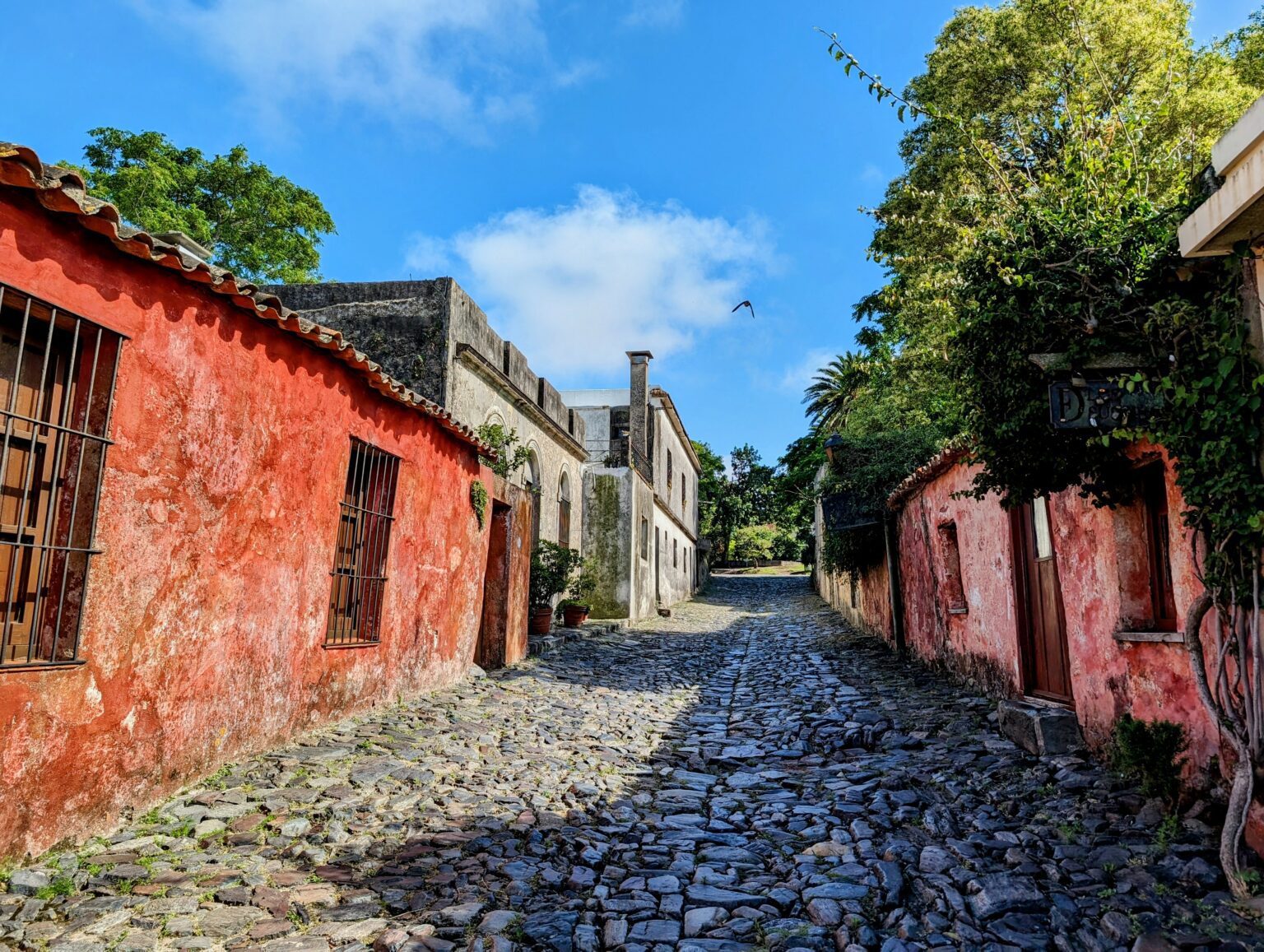
Quick answer
Colonia del Sacramento history begins in 1680 when Portugal built a fortress directly opposite Buenos Aires to challenge Spanish control of the Río de la Plata. The settlement endured seven sieges and switched flags repeatedly until 1777, when Spain claimed it permanently under the Treaty of San Ildefonso. Its remarkably intact colonial core earned UNESCO World Heritage designation in 1995, recognizing South America's best-preserved example of Portuguese-Spanish urban competition.
Portugal founded Colonia del Sacramento on January 22, 1680, as a calculated provocation: the fortress sat just 50 kilometers across the river from Spanish Buenos Aires, breaking Spain's monopoly on Plata trade routes. Within months, Spanish forces besieged and briefly captured the settlement, inaugurating 97 years of alternating occupation that shaped every defensive wall and sightline still visible today. The town's unusual street layout reflects its dual heritage. The irregular Portuguese quarter near the waterfront follows organic medieval patterns, while the later Spanish grid imposes geometric order on the inland blocks. Bastions, powder magazines, and the crumbling Portón de Campo gate remain where engineers placed them to withstand artillery, and the River Plate itself served as both moat and smuggling corridor. Each occupying power reinforced what the previous regime built, creating a palimpsest of colonial military architecture unmatched elsewhere in South America. The Treaty of San Ildefonso in 1777 ended the see-saw permanently, awarding Colonia del Sacramento to Spain in exchange for Portuguese territorial gains in Brazil. By then the fortress had lost its strategic urgency, and the 19th century saw gradual decline into a sleepy river port. That stagnation paradoxically preserved what war could not destroy: no industrial boom erased the colonial fabric, and when UNESCO granted World Heritage status in 1995, the Barrio Histórico stood largely as the last Spanish garrison left it. Today the historic quarter occupies a compact peninsula where every building carries a visible layer of the colonial contest. Visitors walk Portuguese cobblestones past Spanish tile roofs, tracing three centuries of territorial ambition compressed into 12 walkable blocks. Free access to the district's streets and plazas allows self-guided exploration year-round, and the compact scale means you encounter fortress ruins, lighthouse views, and riverside promenades within minutes of each other.
“The fortress changed hands seven times in 97 years, and each occupying power left its mark in stone.”
The Strategic Layers of Colonia del Sacramento History
Portugal founded Colonia del Sacramento in 1680 as a strategic bridgehead on the eastern bank of the Río de la Plata, directly challenging Spanish dominance in the region. Governor Manuel Lobo led the expedition that established the settlement, constructing fortifications on a narrow peninsula that commanded river access to Buenos Aires, just fifty kilometers across the water. Spain besieged the outpost within months, initiating a century-long territorial contest that saw the town change hands no fewer than nine times through diplomatic treaties and military campaigns. The Treaty of Utrecht in 1713 returned Colonia to Portugal, prompting a building campaign that raised the iconic lighthouse and expanded the defensive bastions that still anchor the Barrio Histórico today. Spain reclaimed the settlement definitively in 1777 under the command of Pedro de Cevallos, integrating it into the newly created Viceroyalty of the Río de la Plata. Spanish administrators refortified the perimeter, widened the Plaza Mayor, and erected the parish church whose stone nave survives as a central landmark. The town's cobbled grid, narrow alleys, and single-story vernacular houses reflect both Portuguese colonial urbanism and Spanish overlay, creating a layered streetscape that earned UNESCO World Heritage designation in 1995. Architectural historians note the Portuguese preference for irregular lots and organic街道 geometry, contrasted with Spanish efforts to impose orthogonal order around the plaza. Following Uruguayan independence in 1825, Colonia del Sacramento declined as Montevideo ascended, leaving the colonial core largely unaltered by industrial or commercial redevelopment. Today, visitors walk the same basalt-paved Calle de los Suspiros that connected the waterfront to the governor's residence, pass beneath the restored Portón de Campo gateway, and climb the 1857 lighthouse for views over terracotta rooftops and the river estuary. The colonia del sacramento history remains legible in every fortification scar, treaty-driven street junction, and surviving colonial facade within the protected quarter.
Portuguese Governor Manuel Lobo founds Colonia del Sacramento as a fortified trading outpost facing Buenos Aires.
Treaty of Utrecht restores the settlement to Portugal; construction begins on the iconic lighthouse and expanded bastions.
Spanish forces under Pedro de Cevallos capture Colonia definitively, incorporating it into the Viceroyalty of the Río de la Plata.
Final Spanish garrison withdraws as independence movements reshape the Río de la Plata region.
Uruguay declares independence; Colonia del Sacramento enters a quiet decline, preserving its colonial streetscape.
UNESCO inscribes the Barrio Histórico as a World Heritage Site, recognizing its layered Portuguese and Spanish colonial architecture.
Architectural Landmarks in Colonia del Sacramento History
The Barrio Histórico serves as a physical record of the colonial disputes between the Portuguese and Spanish empires. These landmarks retain the defensive and civil architectural styles that defined the region's development.
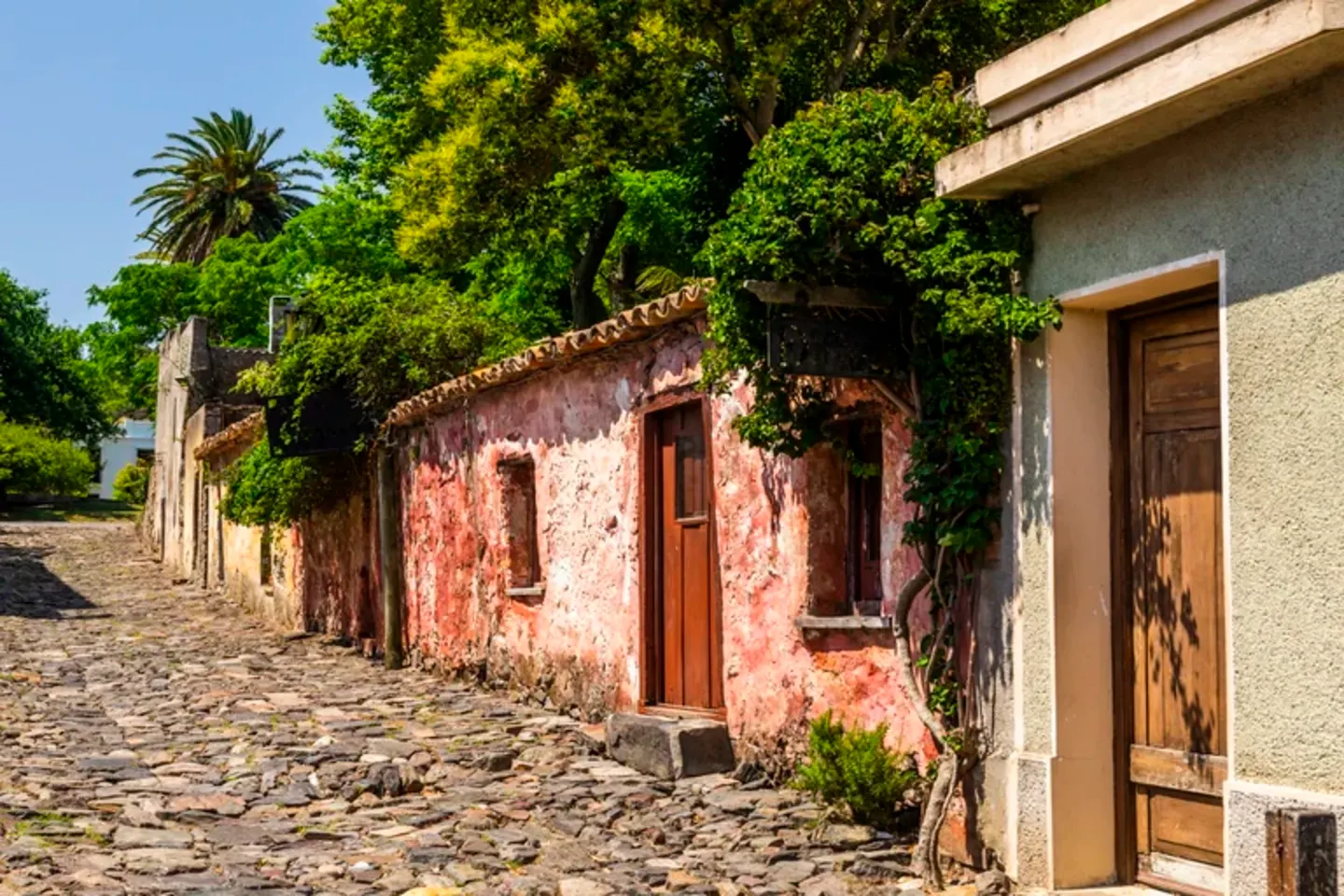
Barrio Histórico
The historic quarter features uneven cobblestone streets and colonial buildings that reflect centuries of shifting territorial control.
Walk slowly to appreciate the preserved original stone foundations.
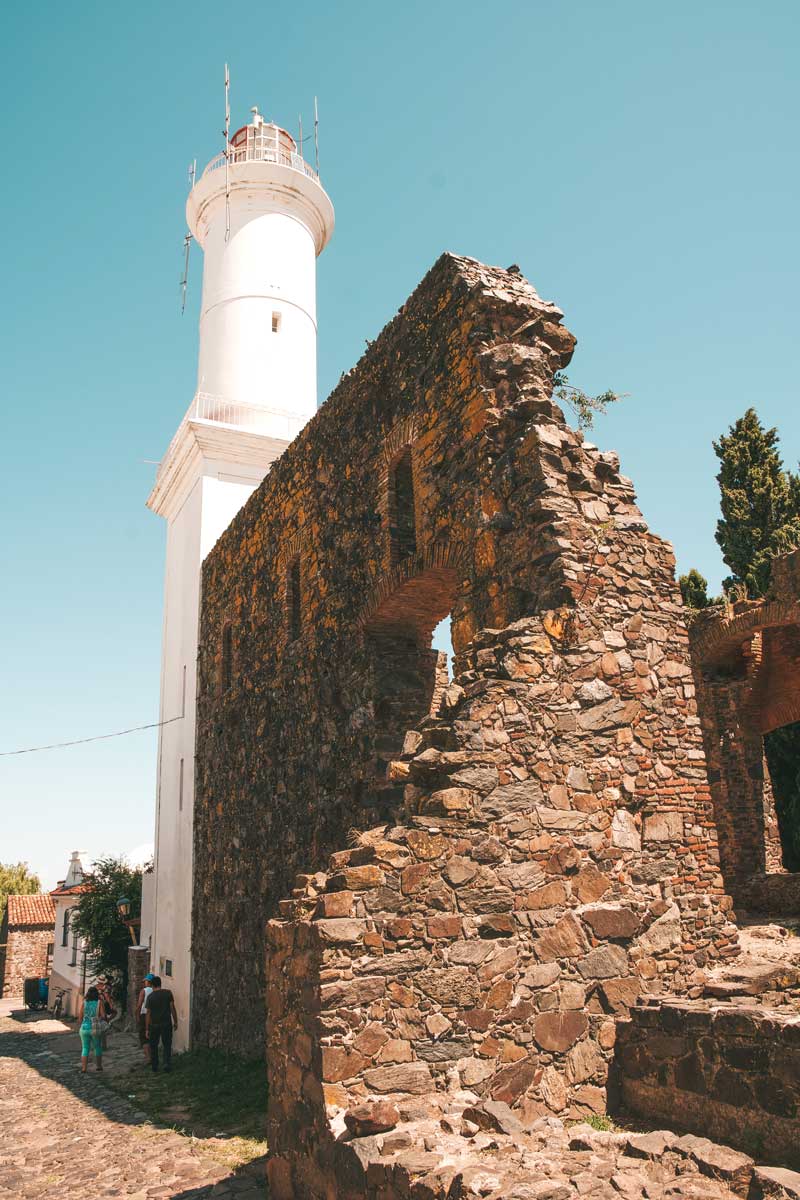
Faro de Colonia
Constructed in 1857, this lighthouse stands atop the ruins of the 17th-century Convent of San Francisco.
Climb the stairs for a view of the Rio de la Plata.
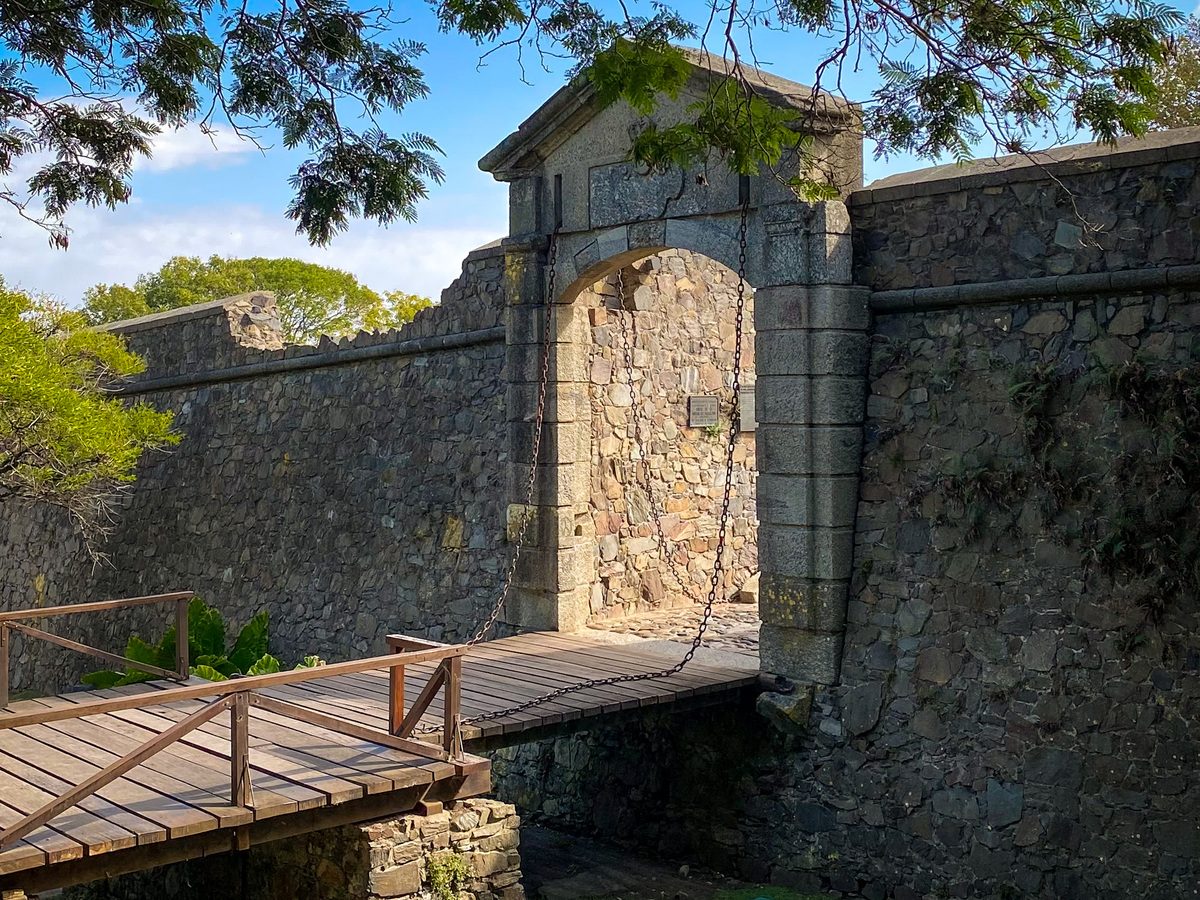
Portón de Campo
This wooden drawbridge gate was the primary entrance to the fortified city during the Portuguese era.
Observe the remaining wall sections to see the defensive layout.
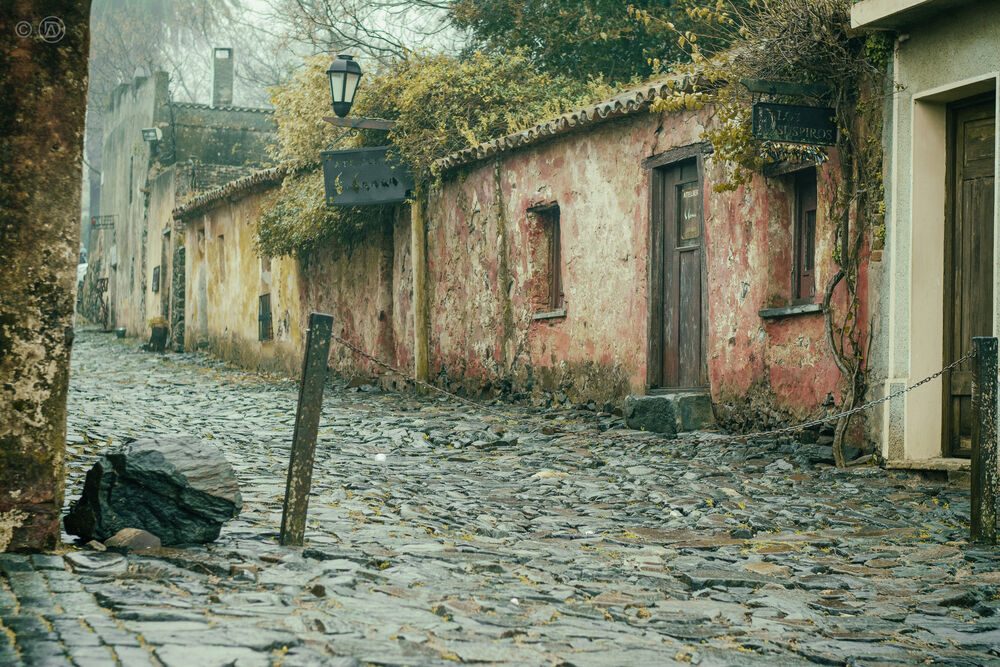
Calle de los Suspiros
Often cited as the most preserved street in the quarter, it features homes with distinct Portuguese architectural influence.
Visit during the early morning to capture the light on the facades.
Optimizing Your Visit for Colonia del Sacramento History
The best arrival window for exploring the Barrio Histórico is 09:00–11:00. Arriving during this period allows visitors to navigate the cobblestone streets before the peak midday heat and the arrival of larger tour groups.
Weekday mornings
Minimal crowds—
These hours provide the quietest experience for walking the historic streets. It is the optimal time for photography and viewing landmarks before daily foot traffic increases.
Spring (Oct–Nov)
Moderate crowdsMild, 18°C–23°C
The temperatures are comfortable for extended outdoor walking. This season avoids the intense heat of mid-summer and the peak tourist influx.
Autumn (Apr–May)
Moderate crowdsMild, 17°C–22°C
Cooler air makes this an ideal time for site exploration. The historic district is generally less busy than during the peak summer months.
Verdict: Plan your arrival for between 09:00–11:00 on a weekday during the milder months of April or October to balance crowd levels with comfortable temperatures.
Accessing the Sites of Colonia del Sacramento History
The historic streets and public areas of the Barrio Histórico in Colonia del Sacramento are accessible to visitors throughout the week. The area remains open daily to accommodate travel schedules.
| Monday | 00:00–23:59 | |
|---|---|---|
| Tuesday | 00:00–23:59 | |
| Wednesday | 00:00–23:59 | |
| Thursday | 00:00–23:59 | |
| Friday | 00:00–23:59 | |
| Saturday | 00:00–23:59 | |
| Sunday | 00:00–23:59 |
Admission and Costs in Colonia del Sacramento History
Access to the Barrio Histórico, including its public streets and historic thoroughfares, is available at no cost to visitors. There are no entrance fees required to explore these public areas in Colonia del Sacramento.
A typical visitor pays 0 USD to access the historic district, as there are no entrance fees for public areas.
Check availability
Common questions about Colonia del Sacramento history
Everything you need to know about colonia del sacramento history